From 12–15 August 2025, Aarhus University in Denmark hosted the 17th International Southern African–Nordic Centre (SANORD) Conference under the theme “Knowledge Economies in a Changing World.” SANORD is a university network that seeks to provide a platform for advancing collaboration between universities in the Nordic region and those in Southern Africa.
As part of the conference programme, the Cluster of Research Excellence (CoRE) on Creative Economies in Africa organised a panel titled “Creative Economies in Africa: Platforms, Frameworks and Impacts.” The aim of the panel was to bring together scholars and practitioners working within Africa’s creative industries to share original theoretical and empirical perspectives that deepen our understanding of the evolving roles of creative economies on the continent.
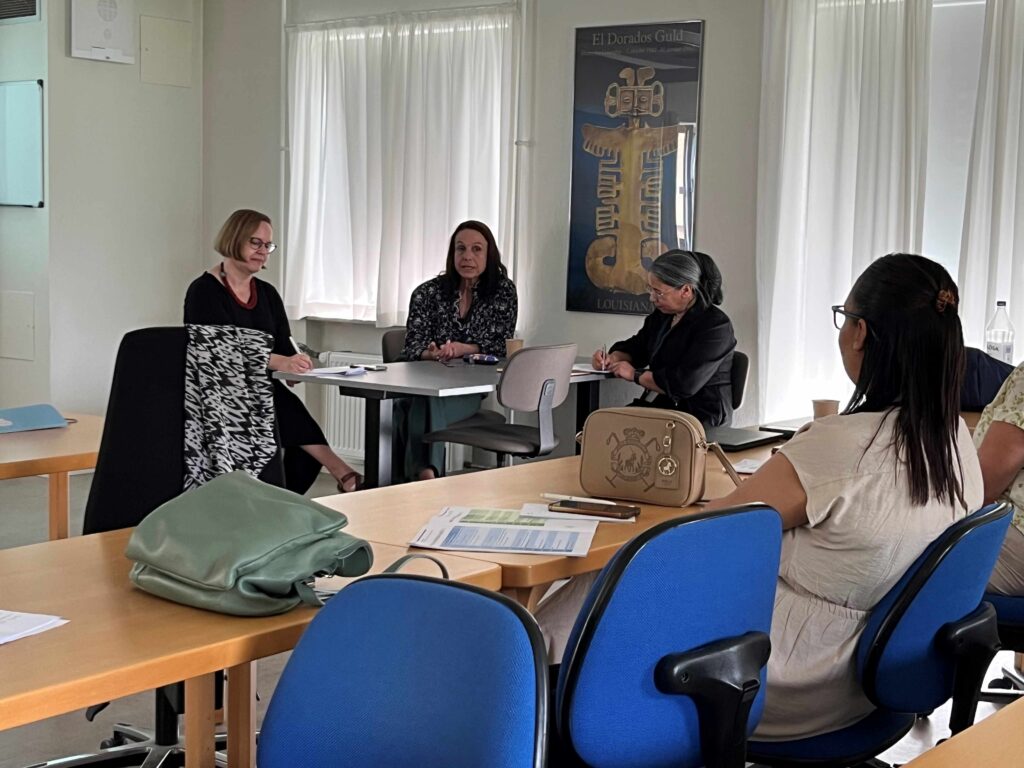
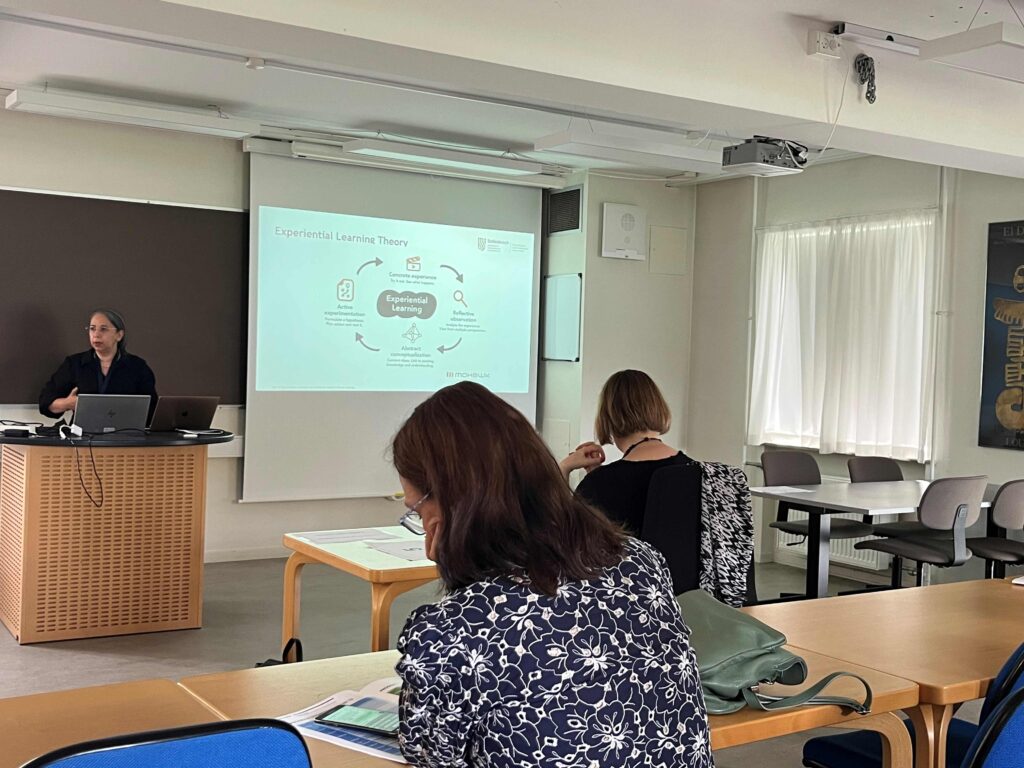
Opening the panel on 13 August 2025, Prof. Roberta Comunian, speaking on behalf of the CoRE on Creative Economies in Africa, presented the cluster’s short-term achievements and long-term goals. Among the short-term achievements highlighted were the launch of a new Knowledge Hub website on creative economies in Africa, the establishment of the African Journal of Creative Economy, and the securing of a Routledge Book Series on Creative Economies in Africa. With regard to long-term goals, Prof. Comunian outlined five priorities, including the creation of an international conference dedicated to creative economies in Africa and the development of career-progression opportunities for early-career researchers working in this field.
Prof. Comunian’s opening remarks were followed by the presentation and discussion of the following seven papers:
- Agenda 2063’s Missing Beat: Harmonizing Africa’s Creative Economy Laws for Jobs and Growth (by Moganane Kago from the University of the Western Cape).
- Creative Economies Advancing Towards Inclusive Growth in Africa (by Carin Hector from the University of the Western Cape).
- Funding, Investment, Innovation, and Collaboration Patterns within Africa’s Creative Economy (by Mayekiso Thokozile; Ogujiuba Kanayo and Maponya Lethabo from the University of Mpumalanga).
- Creative Economies in Africa, Engaging Transcendence from the Macro-politics of Change to Context-specific Frameworks (by Valindawo Dwayi from the Central University of Technology).
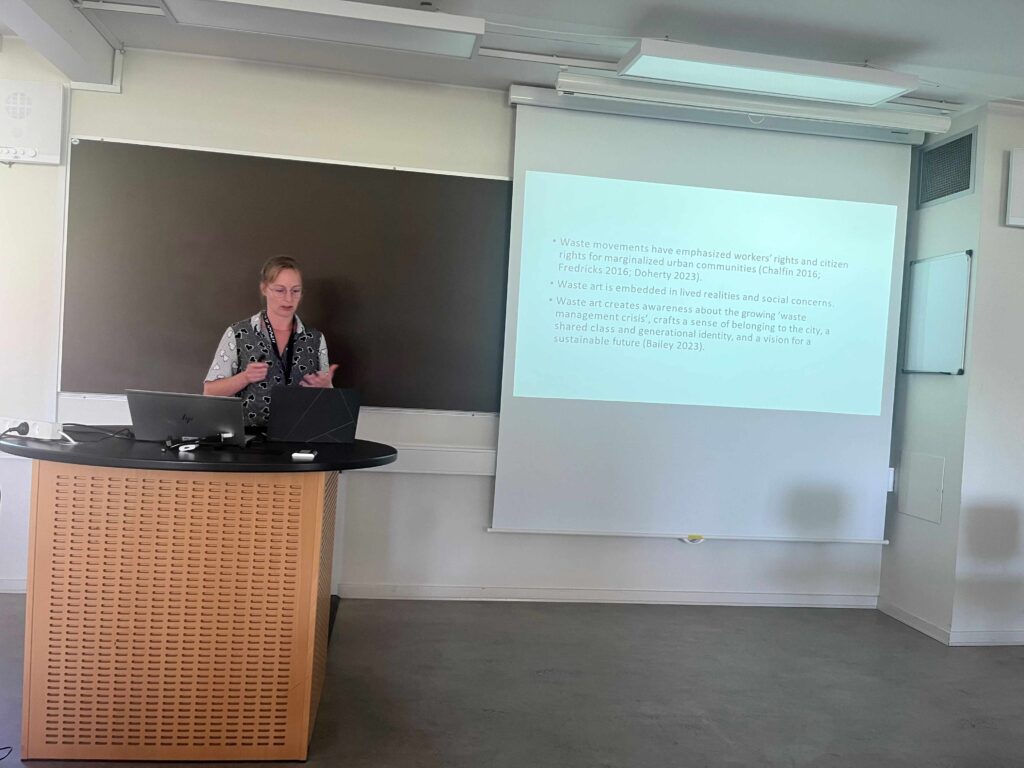
- From Waste to Art: Reflections on the Link between Creative Economies and Waste and Recycling Economies in Africa (by Kirsten Nielsen from the University of Helsinki).
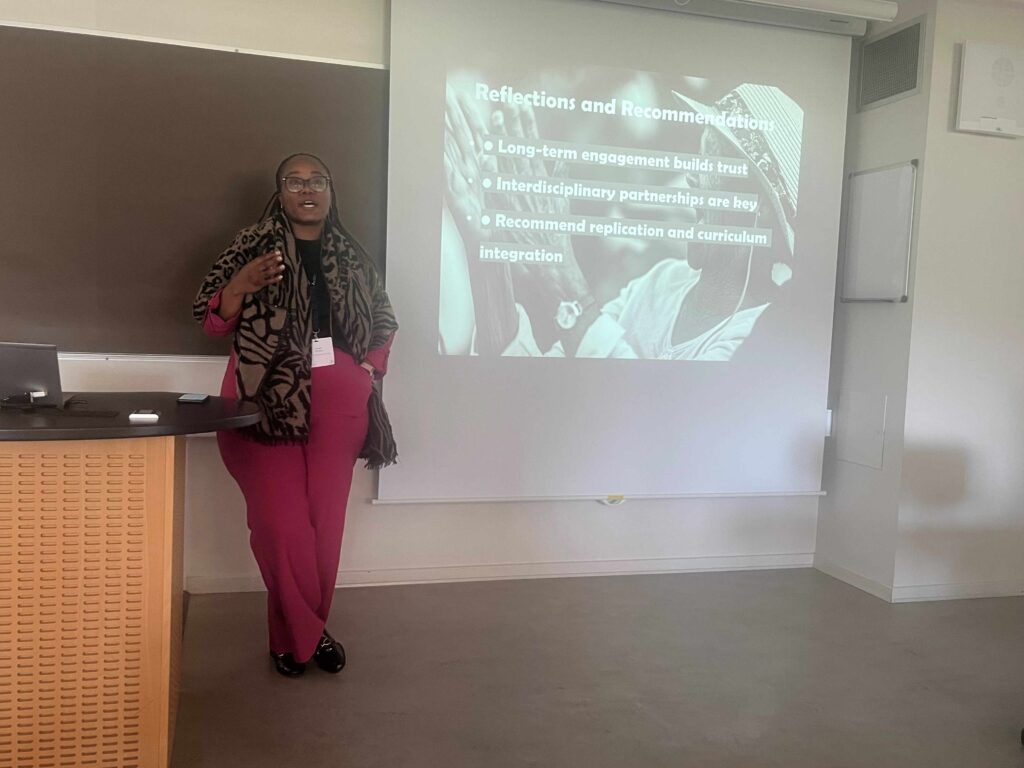
- Empowering Communities Through Puppetry: A Case Study of UWC’s Centre for Humanities Research (Iyatsiba Lab) (by Annah Chuene; Jordan King, Lauren Human and Rushni Salie from the University of the Western Cape).
- South Africa’s Visual Artists and Their Mobility Strategies (by Brian J. Hracs; Irma Booyens; Roberta Comunian and Taylor Brydges from King’s College, London).
The final day of the panel, held on 14 August 2025, began with a recap of the key themes that emerged from the previous day’s presentations. Following the summary, an additional seven papers were presented and discussed:
- Creative Economies in Action: Higher Education Platforms, Frameworks, and Impact in Africa (by Ruth Andrews from Stellenbosch University).
- Entrepreneurship Education for Women SMEs from Creative Industries in South Africa: A Study of How Entrepreneurship Education can Boost International Trade (by Salusiwe Yekela; Gloria Molefe and Lentswe Mosweunyane from the Central University of Technology).
- Leveraging the Creative Economy as a Marketing Tool Through Art and Design Education (by Tsholofelo Tshabadira and Elizabeth Conradie from the Central University of Technology).
- The Decolonial Imperative: A Critical Analysis of Africa’s Creative Economy (by Sheetal Bhoola and Dasarath Chetty from The University of Zululand).
- Television Drama and Social Change: Gender Dynamics in ‘Jua Kali’ and Audience Reception in Dar es Salaam (by Siri Lange from the University of Bergen).
- African Digital Platform Ecosystems: How African Digital Platform Firms Organize and Manage their Ecosystem (by Ochieng Achieng Irene from Linnaeus University).
- Exploring the Impact of Digital Technologies on Graphic Design Learning Processes and Practices in African Countries (by Olutunmise Adesola Ojo from the Central University of Technology).
Taken together, the fourteen presentations in the panel addressed themes that were either focused on Africa as a whole or on four specific countries: South Africa, Nigeria, Uganda and Tanzania. Disciplinarily, the papers drew from a wide range of fields, including creative economies and creative industries, media studies, communication and social change, education, technology, and platform studies. Reflecting this multidisciplinary grounding, the presentations explored diverse creative sectors such as puppetry, visual art, TV drama and waste-management art. In examining these sectors, the papers raised important questions about gendered dynamics within Africa’s creative economies, as well as the ways in which community identities and the politics of belonging are mediated through creative projects—particularly those developed by and for local communities (for example, the puppetry project presented by Annah Chuene; Jordan King, Lauren Human and Rushni Salie).
A prominent thread running through the presentations and subsequent discussions concerned the wide range of policy initiatives that different stakeholders can—and should—pursue to address the challenges facing creative economies in Africa. For instance, Moganane Kago called for African states and regional bodies to modernize intellectual property laws and establish regional courts or tribunals equipped to handle intellectual property cases. These recommendations were echoed by others such as Mayekiso Thokozile, Ogujiuba Kanayo and Maponya Lethabo who urged African governments to “incentivize patenting and R&D in AI-intensive creative fields such as animation, music tech, and gaming,” while ensuring that their digital trade policies align “with infrastructure investments for platform readiness.” Similarly, Carin Hector emphasized the need for increased government investment in “digital infrastructure, education, and inclusive policies” to enable Africa to fully harness the potential of its creative economy. In the same vein, Ochieng Irene argued that for Africa’s digital platform ecosystem to grow, remain viable, and compete globally, countries must create “the necessary conditions for ecosystems to emerge,” including strategies focused on building appropriate digital and hybrid infrastructures.
Given the multidisciplinary diversity of the fourteen papers, presenters drew on a range of theoretical perspectives in discussing their respective cases. While this diversity complicates any attempt to present a unified account of the theoretical approaches represented in the panel, the papers—and the discussions that followed—raised several theoretical questions concerning the study of creative economies in Africa. Participants agreed that these questions merit particular attention going forward. They include:
- How can we theorize—both separately and in an interconnected way—structure, agency, and culture in relation to the production, circulation, and consumption of creative works in Africa?
- How can we conceptualize the roles of, and relationships between, institutions and individual actors as formal and informal intermediaries within Africa’s creative economy? In this regard, participants highlighted the need to examine more closely the functions of states, regional bodies, and both corporate and non-corporate organizations.
- What does it mean to adopt a decolonial approach to the study of creative economies in Africa? How can the legacy of colonialism—and its implications for education, research, and legislation in the creative sector—be theorized in a way that is empirically useful? Moreover, how does the decolonial imperative intersect with, and sometimes conflict with, the pervasive and internally contradictory capitalist logics that shape creative economies on the continent?
- How relevant and transferable—across countries and across creative sectors—are conceptual models designed to explain specific practices within Africa’s creative economy? In particular, to what extent is the model mapping the three key dimensions of mobility strategies for visual artists in South Africa, proposed by Brian J. Hracs, Irma Booyens, Roberta Comunian and Taylor Brydges, applicable beyond South Africa and beyond the visual arts sector?
In addition to the theoretical questions that animated the panel, participants also identified and discussed at length the methodological challenges associated with measuring and accounting for impact in Africa’s creative economy. While emphasising the need to rethink how “impact” is understood in both policy and academic contexts, the panel also highlighted several areas requiring further research. These include gendered experiences and labor relations within Africa’s creative economy, the development and use of generative artificial intelligence in the continent’s creative industries, and the implications of these technologies for ethics, agency, creativity, and power relations in the sector.
At the conclusion of the panel on 14 August, participants expressed their gratitude to the Cluster of Research Excellence on Creative Economies in Africa for facilitating, through the SANORD platform, an opportunity for scholars from around the world to engage in an interdisciplinary dialogue. This dialogue explored a wide array of themes, covering the history, current developments, and future prospects of Africa’s creative economies.
This conference report was compiled by Dr Teke Ngomba, Aarhus University
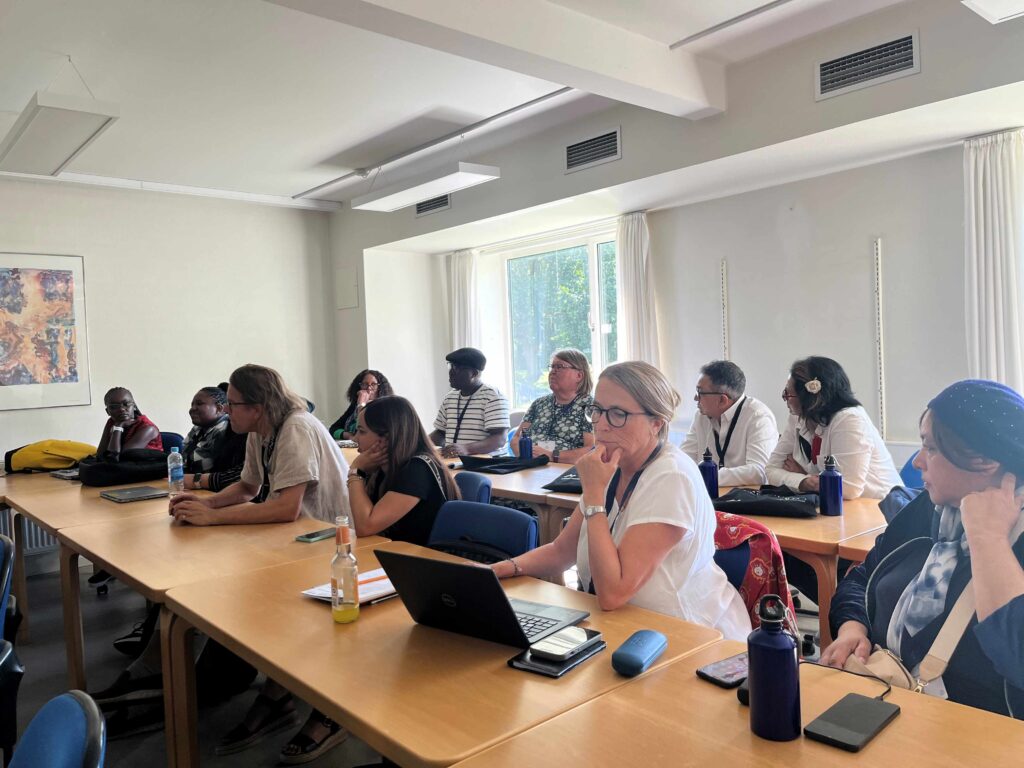
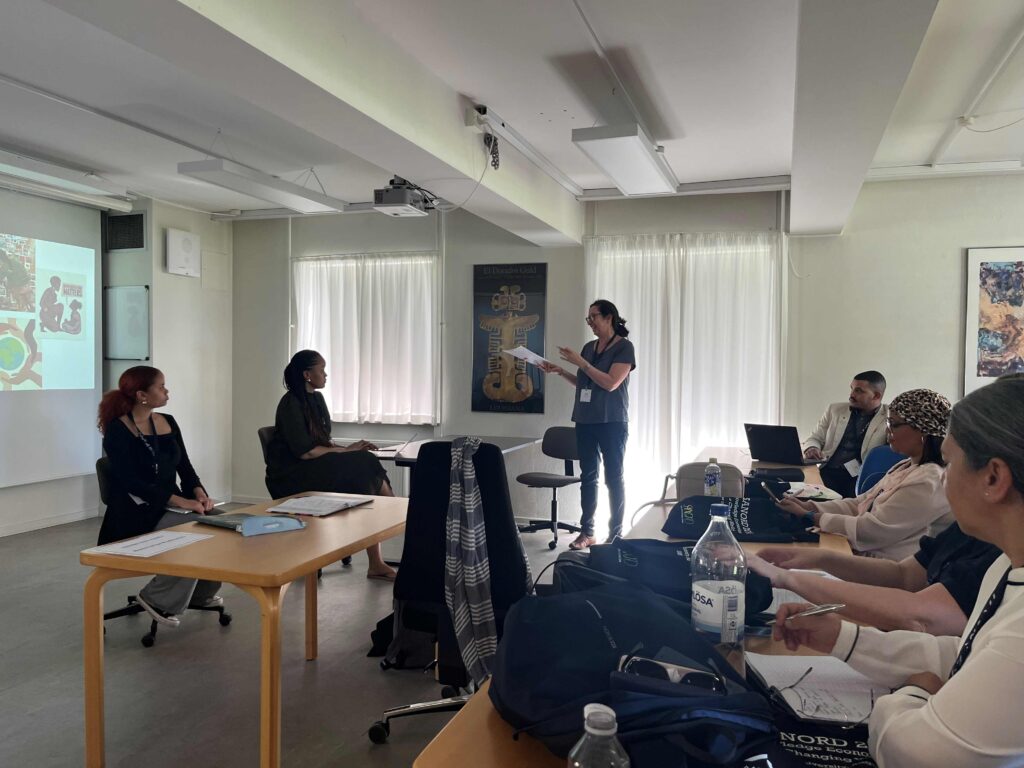
Below are some of the pictures captured during the panel presentations and discussions: